Printer Hard Drives Explained: Functions, Benefits, and Importance

What Exactly Is a Printer Hard Drive?
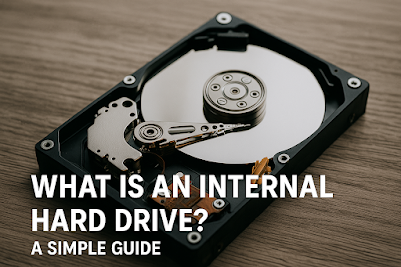
A printer hard drive is a built-in storage component within the printer that holds documents, print jobs, scanned files, and other data essential to printing tasks. Similar to a computer's hard drive, a printer hard drive enhances performance by allowing the device to process jobs more efficiently and store information locally, reducing the need to rely solely on a network or external computer.
Key Functions of Printer Hard Drives
1. Managing Print Queues
When multiple people send documents to print at the same time, the printer's hard drive lines up the jobs and processes them one by one. This prevents the system from slowing down or becoming overwhelmed.
2. Storing Frequently Used Documents
Offices often print the same forms or files regularly. Instead of sending these from a computer every time, they can be saved directly on the printer. This means you can access and print them instantly, without needing to connect to a network or computer.
3. Holding Documents for Secure Printing
Some printers let users send jobs to the printer but delay actual printing until the user enters a PIN or logs in. This keeps sensitive documents from sitting out in the open. The hard drive stores the job until it's safely released by the user.
4. Keeping Scans and Faxes
Multifunction printers that scan and fax can use the hard drive to store these files temporarily or long-term. This makes it easier to resend, save, or email the files later, especially if you miss the original output.
5. Updating Software and Logs
Printer hard drives also store software updates, error logs, and system settings. These help with troubleshooting and improving how the printer operates over time.
Why Printer Hard Drives Matter
1. Better Security for Sensitive Data
When a document is printed, scanned, or stored, it might remain on the hard drive. That’s why many business-grade printers offer encryption and data protection. Some even allow you to completely erase data after each task to prevent leaks.
2. Smoother Printing for Large Files
Large or detailed files like PDFs, presentations, and images take up more space and memory. A hard drive helps the printer handle these without crashing or slowing down. This is especially important in design firms or busy offices.
3. Less Pressure on Your Network
With local storage, the printer can process jobs on its own, without constantly pulling information from a computer. This frees up bandwidth and keeps other devices running smoothly.
4. Easier Daily Workflows
Templates, forms, and settings can all be saved on the hard drive. This helps automate common printing tasks and reduces the time employees spend setting up print jobs.
5. Personalized Print Settings
You can save customized settings like double-sided printing, specific paper types, or stapling options directly on the printer. This saves time and ensures consistent results, especially in environments with repeated tasks.
Data Privacy and Risks to Watch For
1. Leftover Data
Even after a document is printed or scanned, copies might stay on the hard drive. If not deleted properly, they could be accessed later—especially dangerous if the printer is sold or repurposed.
2. Incomplete Deletion
Simply deleting a file doesn’t mean it’s gone forever. That’s why many business printers include options to overwrite old data or wipe the hard drive clean.
3. Unauthorized Access
Without proper security settings, others on the network might access stored documents. Setting up passwords, user authentication, and access logs helps prevent this.
How to Use Printer Hard Drives Safely and Smartly
1. Activate Secure Print Features
Use features like “Hold Print” or “Secure Print” so documents aren’t printed until you’re there to pick them up. This is crucial in shared spaces.
2. Use Encryption
Make sure your printer encrypts the data it stores. This adds an extra layer of protection in case someone tries to access the files directly.
3. Keep Software Updated
Printer manufacturers regularly release updates to improve performance and fix security flaws. Installing these updates keeps your device protected.
4. Schedule Regular Data Wipes
Set your printer to regularly erase stored data or overwrite old files. Many devices offer automatic cleaning options to keep the drive clear of old or unused information.
5. Wipe the Drive Before Getting Rid of the Printer
Before selling, recycling, or throwing out a printer, make sure the hard drive is securely erased or physically removed to protect any stored data.
Where Printer Hard Drives Make the Biggest Impact
1. Law Offices
Law firms deal with contracts, legal briefs, and sensitive personal data. Secure hard drives help them meet confidentiality standards and keep information safe.
2. Hospitals and Clinics
Medical records, prescriptions, and test results need strict privacy. HIPAA-compliant printers with hard drives help store and protect this data.
3. Banks and Financial Companies
Financial institutions handle private client data daily. Built-in hard drive security features ensure that printouts and scanned copies don’t fall into the wrong hands.
4. Schools and Universities
Education offices print everything from transcripts to exams. A printer hard drive helps manage the large volume of documents and keeps everything organized.
5. Government Agencies
Public sector offices often print classified or private records. Hard drive encryption and secure wipe features are essential in these settings.
Final Thoughts
Built-in hard drives give printers the power to do more than just print. They allow for faster processing, safer storage, and smarter workflows. For offices dealing with high volumes of documents or sensitive information, these drives offer real advantages. By using them wisely and keeping security in mind, businesses can save time, protect their data, and keep things running smoothly.

Great breakdown of why printer hard drives matter in modern offices! Secure storage and smoother workflows really make a difference, especially for businesses handling sensitive data. Anyone considering these features should also check the latest Printer Price in BD to balance performance with budget.
ReplyDelete